Amplifying Grassroots Women’s Voices in the last mile of the 2030 Agenda
A reflection piece by Shikchhya Yonzon, Nepal
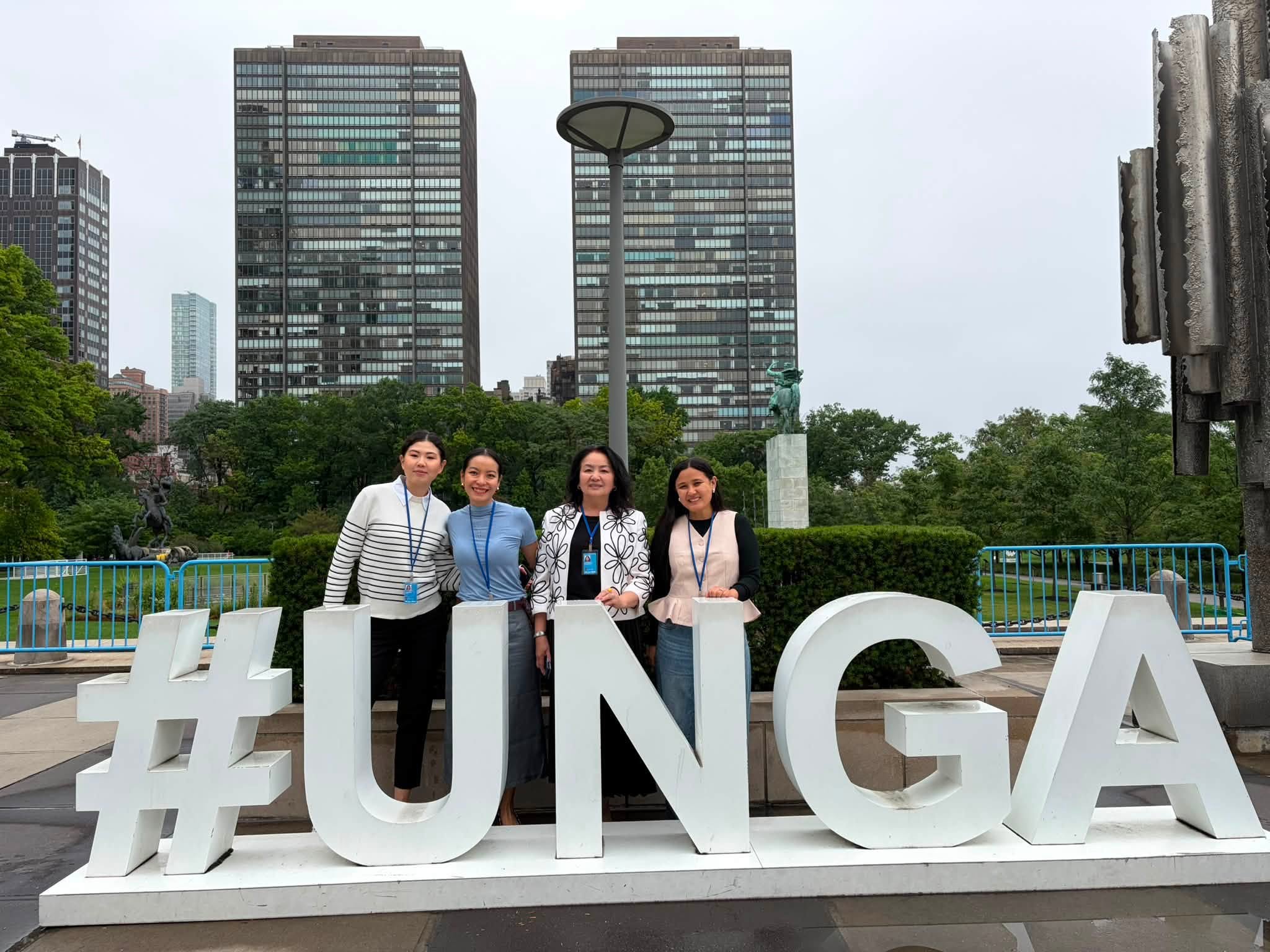
APWLD delegates at the United Nations Headquarters, amplifying women’s voices through global advocacy on 7 July 2026.
There is something powerful about walking into the United Nations Headquarters knowing that the conversations taking place inside those rooms are deeply connected to the realities of women thousands of miles away.
Participating in the 2026 High-Level Political Forum (HLPF) from July 7 to 16 in New York for the first time was more than attending another international meeting. It was an opportunity to witness how global commitments are negotiated, challenged and defended, while constantly asking one important question: Whose voices are shaping these decisions? The HLPF serves as the United Nations’ central platform for reviewing progress on the Sustainable Development Goals (SDGs), bringing together governments, civil society, women human rights defenders, and to reflect on the promise of the 2030 Agenda. This year’s theme of the 2026 HLPF and Economic and Social Council (ECOSOC) was ‘Transformative, equitable, innovative and coordinated actions for the 2030 Agenda and its SDGs for a sustainable future for all’. This year, the goals that are to undergo in-depth review are: Goal 6 ( Clean Water and Sanitation), Goal 7 (Affordable and Clean Energy), Goal 9 (Industry, Innovation and Infrastructure), Goal 11 ( Sustainable Cities and Communities) and Goal 17 ( Partnerships for the Goals).
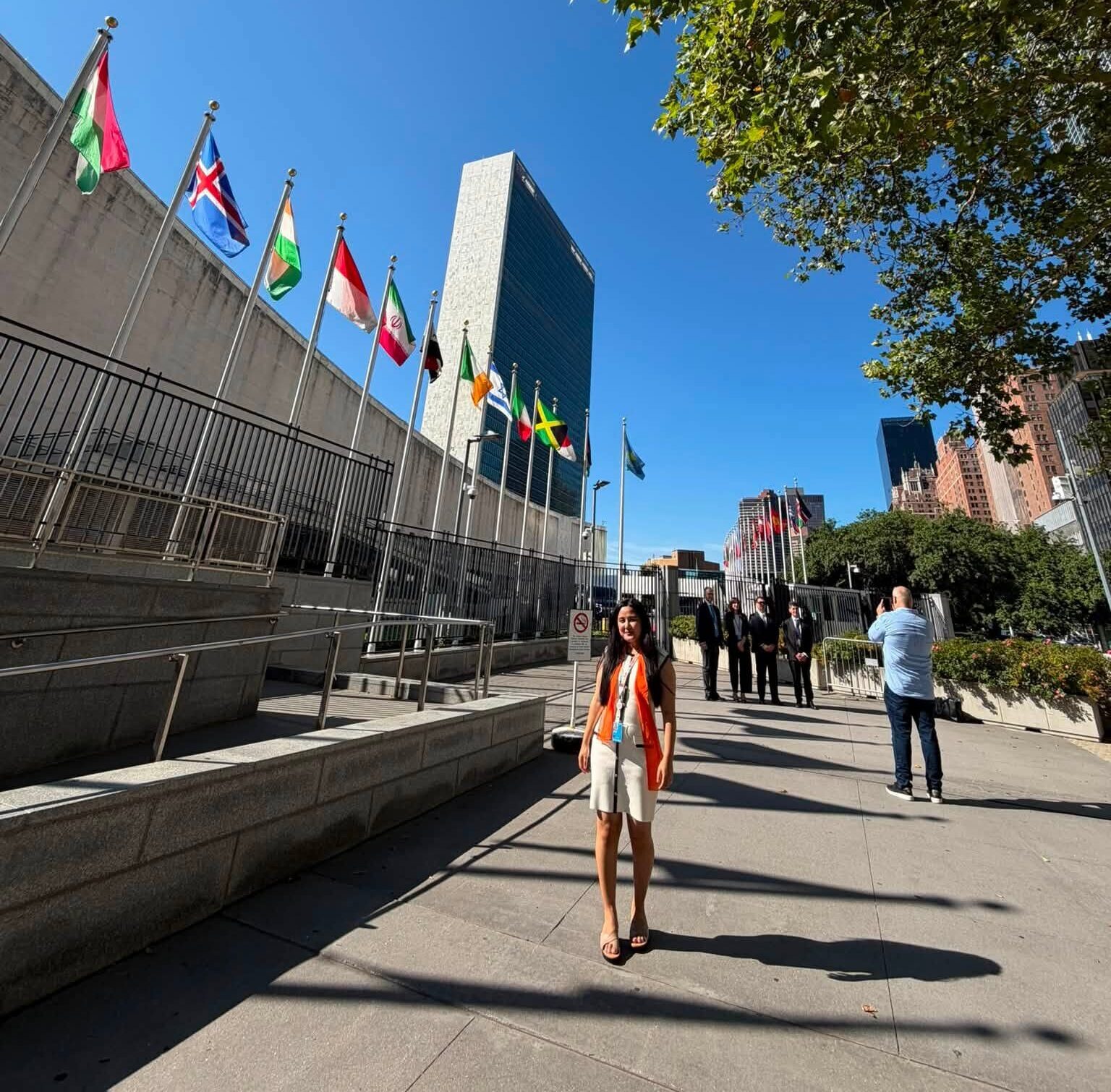
Shikchhya at the United Nations Headquarters, representing young feminist to advancing the Sustainable Development Goals (SDGs) at the High level Political Forum (HLPF).
Coming from Nepal and representing Indigenous young women myself, I carried with me stories that rarely reached global policy spaces. They were stories of Indigenous women defending their lands, territories and knowledge while facing discrimination, exclusion and the disproportionate impacts of climate change and development projects, as well as women balancing unpaid care work while struggling for socio-economic security. Throughout the review, one message became increasingly clear: We are not facing a shortage of commitments, but rather a shortage of political will and genuine development and people-led solutions to the crises.
Across sessions, government delegates highlighted progress, partnerships and innovations throughout the days of the HLPF. Yet grassroots realities remind us that the distance between policy and people’s lived realities remains significant. For many grassroots women and marginalised communities, sustainable development cannot be measured only through rigid and complex national indicators. It must be measured by whether rights are exercised, whether inequalities are reduced, whether all people enjoy prosperous and fulfilling lives and whether people can genuinely influence decisions that affect their lives and grassroots realities.
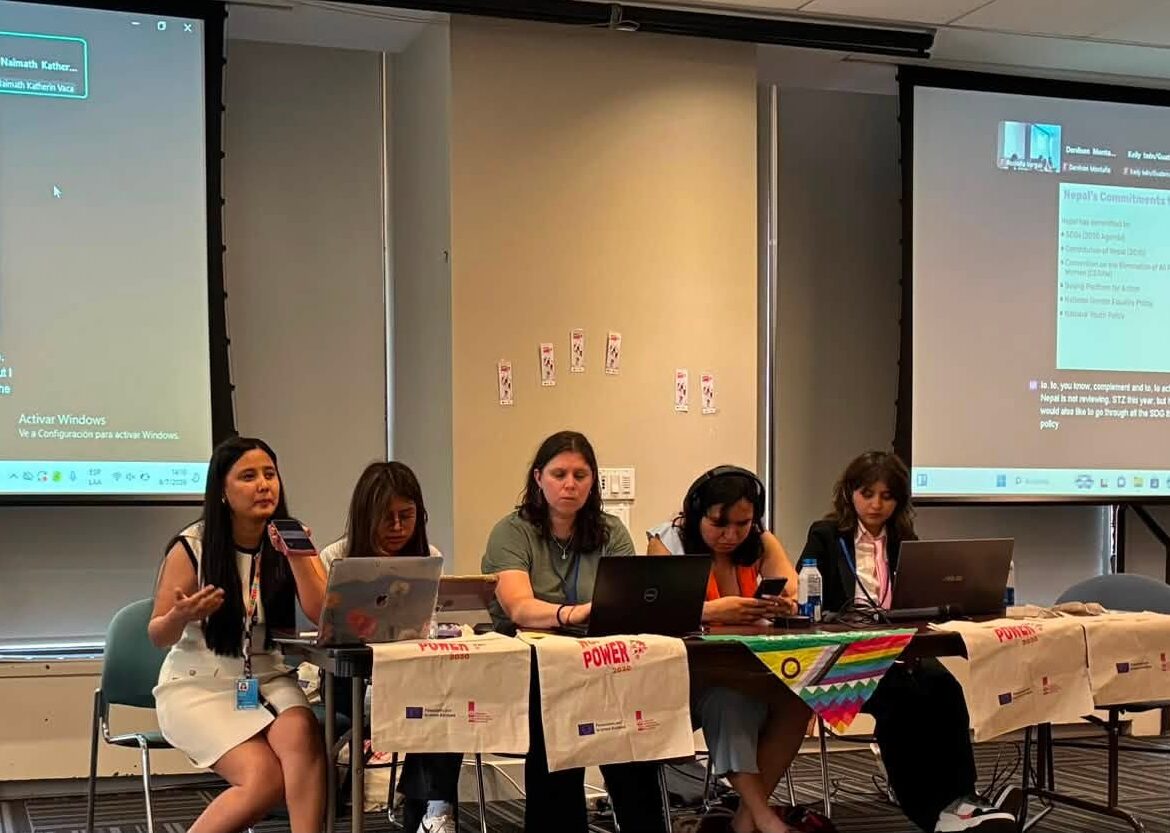
Shikchhya speaking as a panelist at the side event, ‘FEIM and Women Power 2030: From Commitments to Accountability – Young Feminist Voices Promoting the Implementation of the Sustainable Development Agenda,’ held on 8 July 2026.
One of the highlights of my participation at HLPF 2026 was the opportunity to speak as a panelist at the side event held on 8 July, ‘From Commitments to Accountability: Young Feminist Voices Promoting the Implementation of the Sustainable Development Agenda.’ I shared perspectives from Nepal and the Asia and the Pacific region, where I reflected on the persistent gaps and challenges in achieving the SDGs. I also spoke about the aftermath of Nepal’s 2025 Gen Z movement, highlighting how it underscored young people’s growing demand for transparency, accountability and meaningful participation in governance.
Moreover, some of the most meaningful moments happened in conversations between activists, advocates, women human rights defenders and grassroots CSOs across regions. Although our contexts differed, many of our feminist struggles were remarkably similar. We extend solidarity in recognising that the challenges we face are interconnected. These relationships reminded me that international global forums are not only spaces for dialogue with governments but also opportunities to strengthen cross-regional and cross-movement solidarity. As someone working on feminist monitoring of the SDGs, I found myself returning to the same reflection throughout the week that was also reflected in the APWLD side event on 10 July, ‘Less than Five Years Left: Mobilising grassroots women engagement and national actions through Voluntary Local Reviews of the 2030 Agenda Data matters’. And that is—national reports matter but community evidence and voices matters as well. The experiences of grassroots women reveal gaps that national statistics alone cannot capture.
Leaving New York, I returned with renewed conviction that global advocacy must remain grounded in grassroot realities. International commitments only become meaningful when they translate into tangible changes in people’s everyday lives. The responsibility now is to bring these conversations back home to continue working alongside communities, strengthening feminist accountability and ensuring that grassroots voices remain at the centre of SDG implementation. One of my strongest takeaways was from the side event on 16 July on ‘Right to Development at 40: Catalysing global partnership for inclusive and sustainable development’ it reinforces that as we mark 40 years to the Right to Development, this anniversary is not only a moment to reflect an achievement but also an opportunity to renew our commitment to ensuring that development is people-led, equitable and sustainable.
My hope is that future partnerships for transformative change will prioritise people-led development, inclusive and equitable participation, accountability and Development Justice so that no one is left behind.